
雛人形|受け継がれる守りのかたち
Hina Ningyo | A Form of Protection Passed Down
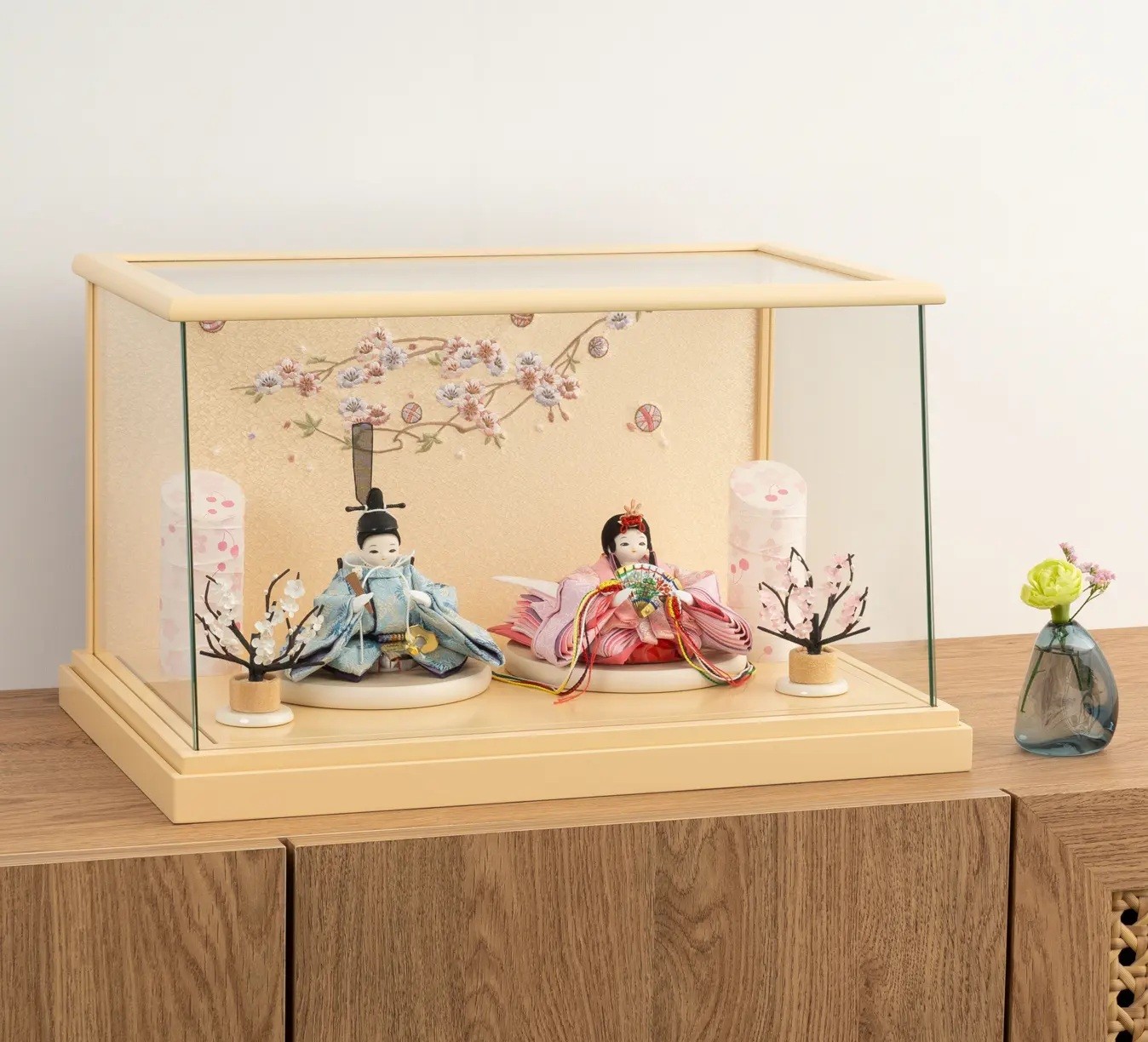
雛人形は、主に三月三日の「ひな祭り(上巳の節句)」に向けて飾られ、子どもの健やかな成長を願い、厄や災いを身代わりとして引き受ける存在とされています。
その起源は、平安時代に行われていた「ひいな遊び」と、人形に穢れを移して川や海へ流す「流し雛」の風習が結びついたものとされています。
江戸時代になると、雛人形を飾る文化が広まり、現在のような形へと受け継がれてきました。
こうした背景には、穢れを祓い、無事を願うという日本の考え方があります。
その流れは日本神話にも見られ、伊弉諾尊が禊を行い、新たな神々が生まれたと伝えられています。
雛人形には、そうした祓いと再生の願いが込められています。
Hina dolls are typically displayed in early March, leading up to the Girls’ Festival (Hinamatsuri) on March 3rd, to wish for the healthy growth and happiness of children.
They are also believed to take on misfortune in place of the child.
Their origin dates back to over 1,000 years ago, to the Heian period, combining a courtly doll play known as hina-asobi with a ritual called nagashi-bina, in which dolls were set afloat on rivers to carry away impurities.
During the Edo period, this custom developed into the form seen today, where dolls are displayed in homes.
At its core is the idea of purification and renewal—a theme also found in Japanese mythology, where the god Izanagi performed a ritual cleansing that gave birth to new deities. Hina dolls carry this quiet wish: to cleanse, and to begin anew。